
As a dog owner, one of the most essential tasks you'll need to perform regularly is brushing your furry friend's coat. While it may seem like a straightforward process, brushing a short-haired dog requires some technique and patience to get it just right. In this article, we'll dive into the world of dog grooming and explore the best ways to brush your short-haired dog, keeping their coat healthy, shiny, and looking its absolute best.
Understanding Short-Haired Dogs
Before we get started, it's essential to understand the unique characteristics of short-haired dogs. Unlike their long-haired counterparts, short-haired breeds have a smoother, more compact coat that requires less maintenance. However, this doesn't mean they don't need regular brushing. Short-haired dogs still shed, and their coats can become dull and lackluster if not properly cared for. Regular brushing helps to distribute skin oils, remove dead hair, and prevent matting, all of which are crucial for maintaining a healthy and vibrant coat.
 How To Brush Short Haired Dogs Understanding Short Haired Dogs" loading="lazy" style="max-width:700px;width:100%;height:auto;border-radius:8px;">
Choosing the Right Brush
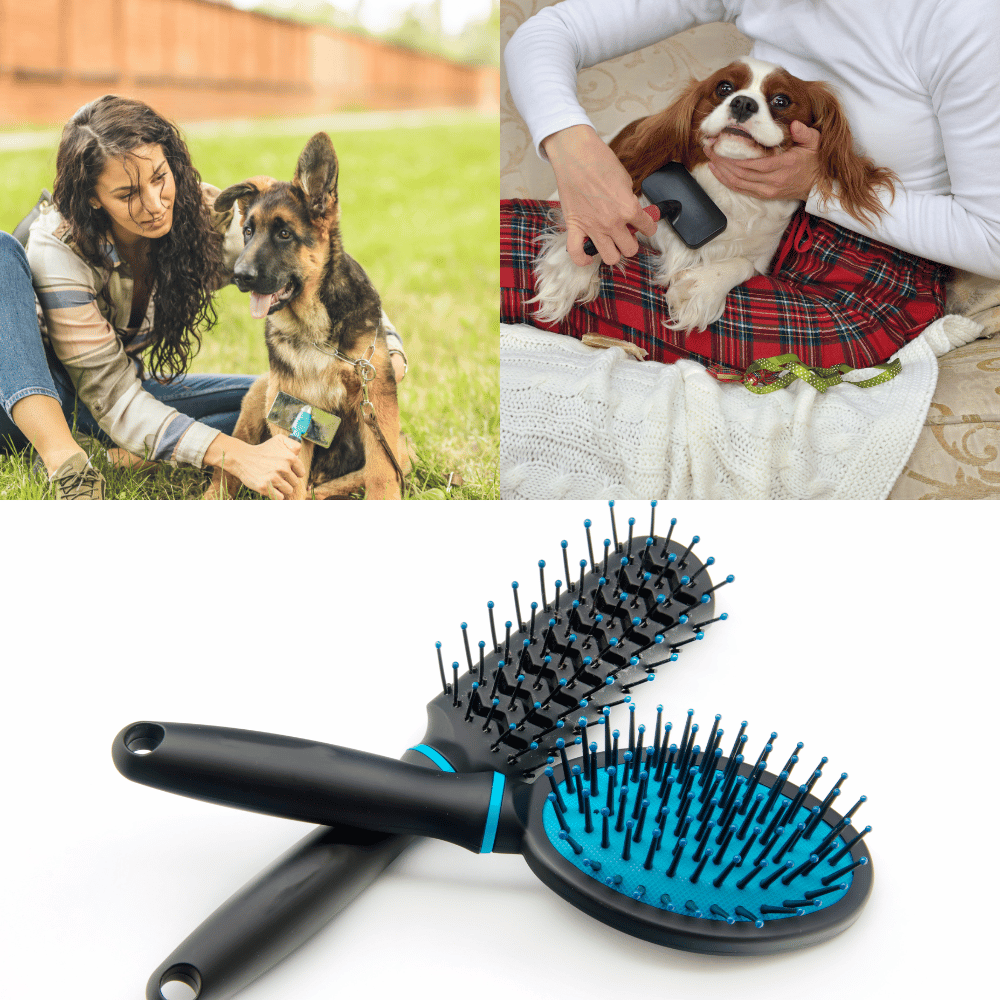
When it comes to brushing a short-haired dog, you'll need a brush that's specifically designed for their coat type. There are several types of brushes on the market, but for short-haired dogs, a rubber brush, bristle brush, or a combination of both is usually the best option. Rubber brushes are gentle on the skin and help to remove loose hair, while bristle brushes are better suited for removing tangles and matting. Avoid using brushes with hard bristles or sharp teeth, as these can be uncomfortable for your dog and even cause skin irritation.
A good quality brush should have soft, flexible bristles that won't scratch or damage your dog's skin. Look for a brush with a comfortable handle and a size that's suitable for your dog's size and breed. It's also a good idea to choose a brush that's easy to clean and maintain, as this will help to prevent the buildup of dirt and bacteria.
Brushing Techniques
Now that you've chosen the right brush, it's time to learn the best brushing techniques for your short-haired dog. The key is to be gentle and patient, working slowly and carefully to avoid causing discomfort or stress. Start by brushing your dog's coat in the direction of the hair growth, using long, smooth strokes to remove loose hair and distribute skin oils. Be sure to brush all areas of the body, including the legs, belly, and tail, as these can be prone to matting and tangling.

As you brush, pay attention to your dog's body language and behavior. If they seem uncomfortable or stressed, stop immediately and give them a break. You can also try offering treats and praise to help make the experience more enjoyable and rewarding. Remember, brushing is a great opportunity to bond with your dog and build trust, so be sure to make the most of it.
Common Challenges and Solutions
While brushing a short-haired dog can be a straightforward process, there are some common challenges you may encounter along the way. One of the most common issues is matting and tangling, which can be painful and uncomfortable for your dog. To prevent matting, be sure to brush your dog regularly, using a detangling spray or conditioner to help make the process easier and less painful.
Another challenge you may face is shedding, which can be excessive in some short-haired breeds. To reduce shedding, try using a deshedding tool or a brush with rubber bristles, which can help to remove loose hair and reduce shedding. You can also try bathing your dog regularly, using a shampoo and conditioner that's specifically designed for short-haired dogs.

In addition to these challenges, you may also encounter skin irritation or allergies, which can be caused by a variety of factors, including food allergies, environmental allergies, or skin conditions. If you notice any signs of skin irritation, such as redness, itching, or inflammation, be sure to consult with your veterinarian, who can help you identify the cause and develop a treatment plan.
Tips and Tricks
While brushing a short-haired dog may seem like a simple process, there are some tips and tricks you can use to make the experience more enjoyable and effective. One of the most important things you can do is to make brushing a regular part of your dog's routine, ideally 2-3 times a week. This will help to prevent matting and tangling, reduce shedding, and keep your dog's coat looking its best.
Another tip is to use a variety of brushes and tools to keep your dog's coat looking its best. In addition to a rubber brush or bristle brush, you can also use a pin brush, a slicker brush, or a grooming glove to remove loose hair and distribute skin oils. Be sure to choose the right tool for the job, and avoid using brushes that are too harsh or abrasive.

Finally, be sure to reward your dog for their good behavior during brushing, using treats, praise, and affection to make the experience more enjoyable and rewarding. This will help to build trust and make the brushing process a positive experience for both you and your dog.
Conclusion
In conclusion, brushing a short-haired dog requires some technique and patience, but with the right tools and techniques, you can keep your dog's coat looking its best. Remember to choose the right brush, use gentle and patient brushing techniques, and be aware of common challenges and solutions. By following these tips and tricks, you can help to keep your dog's coat healthy, shiny, and looking its absolute best, while also building trust and strengthening your bond with your furry friend.