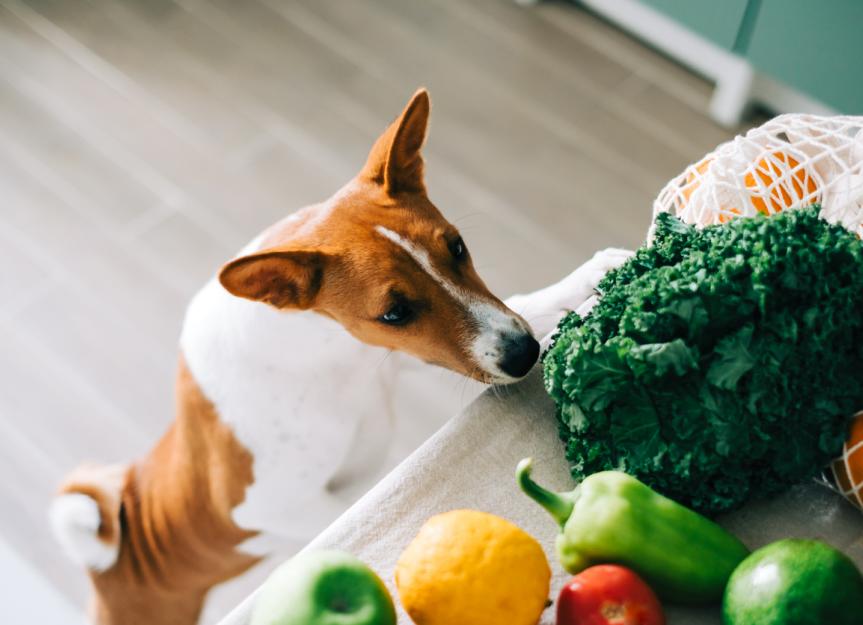
As a dog owner, it's natural to want to share your food with your furry friend. But before you do, it's essential to know what human foods are safe for your dog to eat. One common question many dog owners have is, "Can dogs eat peas?" In this article, we'll delve into the world of canine nutrition and explore the answer to this question. We'll also discuss the benefits and risks associated with feeding peas to your dog, as well as provide some valuable tips on how to incorporate them into your dog's diet.
Introduction to Peas and Dogs
Peas are a type of legume that are rich in nutrients, including protein, fiber, and various vitamins and minerals. They're a popular ingredient in many human foods, from soups to salads, and are often considered a healthy snack. But when it comes to dogs, their digestive system is different from ours, and what's safe for us may not be safe for them. So, can dogs eat peas? The short answer is yes, but with some caveats. While peas are not toxic to dogs, they can cause some issues if fed in excess or to dogs with certain health conditions.

The Benefits of Peas for Dogs
Peas can be a nutritious addition to your dog's diet, providing several health benefits. They're rich in fiber, which can help support healthy digestion and bowel movements. Peas are also a good source of protein, which is essential for building and repairing muscles. Additionally, peas contain various vitamins and minerals, including vitamin K, folate, and manganese. These nutrients can help support your dog's overall health, from their skin and coat to their eyes and immune system.
Some dog owners also use peas as a low-calorie treat or snack, which can be helpful for dogs that need to lose weight or have food allergies. Green peas, in particular, are a popular ingredient in many dog foods and treats due to their high nutritional value and low calorie count. However, it's essential to remember that peas should not make up a significant portion of your dog's diet. They should be fed in moderation, as part of a balanced and well-rounded diet.
Risks and Precautions
While peas can be a healthy addition to your dog's diet, there are some risks and precautions to consider. One of the main concerns is the risk of gastrointestinal upset. Peas can be difficult for some dogs to digest, particularly if they're fed in large quantities or to dogs with sensitive stomachs. This can lead to symptoms such as vomiting, diarrhea, and gas. Additionally, peas contain a type of sugar called raffinose, which can be difficult for dogs to digest and may cause stomach upset.
Another concern is the risk of choking or intestinal blockage. Whole peas can be a choking hazard, particularly for small dogs or puppies. If your dog swallows a whole pea, it can get stuck in their throat or digestive tract, causing serious health issues. It's also possible for peas to accumulate in the digestive tract and cause an intestinal blockage, which can be life-threatening if left untreated.
How to Feed Peas to Your Dog
If you want to add peas to your dog's diet, there are some guidelines to follow. First, it's essential to choose the right type of peas. Green peas are generally the best option, as they're lower in calories and richer in nutrients than other types of peas. You can feed your dog fresh, frozen, or canned peas, but be sure to choose a variety that's free from added salt and seasonings.
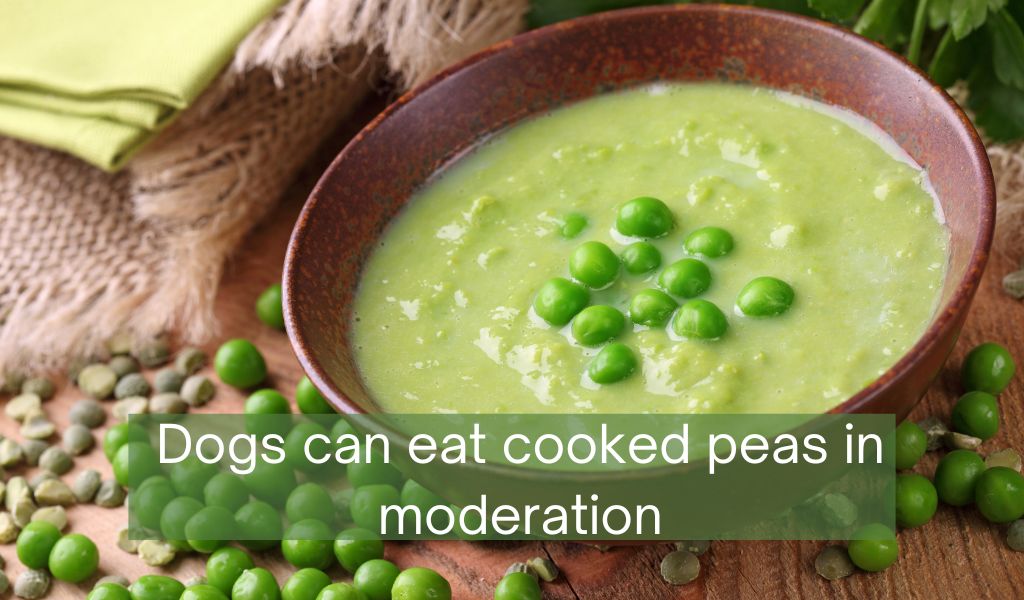
When feeding peas to your dog, start with small amounts and gradually increase the serving size as needed. You can add peas to your dog's meals or use them as a snack or treat. It's also a good idea to cook the peas before feeding them to your dog, as raw peas can be difficult to digest. Steaming or boiling peas can help break down the cell walls and make the nutrients more accessible to your dog.
In addition to feeding peas as a whole food, you can also use pea-based ingredients in your dog's diet. Pea protein, pea flour, and pea fiber are all popular ingredients in dog foods and treats. These ingredients can provide a concentrated source of nutrients and can be easier to digest than whole peas.
Pea-Based Dog Foods and Treats
Pea-based dog foods and treats are becoming increasingly popular, particularly among dog owners who are looking for grain-free or limited-ingredient diets. These products often feature peas as the main ingredient, along with other nutritious ingredients such as chicken, salmon, or sweet potatoes. Pea-based dog foods can be a good option for dogs with food allergies or sensitivities, as they're often hypoallergenic and easy to digest.
However, it's essential to choose a high-quality pea-based dog food or treat that's made with wholesome ingredients and minimal processing. Look for products that are made with fresh, whole peas, rather than pea by-products or fillers. You should also check the ingredient list to ensure that the product doesn't contain any fillers, artificial preservatives, or other ingredients that may be harmful to your dog.
Conclusion
In conclusion, dogs can eat peas, but it's essential to do so in moderation and with caution. Peas can be a nutritious addition to your dog's diet, providing fiber, protein, and various vitamins and minerals. However, they can also cause gastrointestinal upset, choking, or intestinal blockage if fed in excess or to dogs with certain health conditions. By following the guidelines outlined in this article, you can safely add peas to your dog's diet and provide them with the nutrients they need to thrive.
Remember, every dog is different, and what works for one dog may not work for another. If you're considering adding peas to your dog's diet, it's always a good idea to consult with your veterinarian first. They can help you determine the best way to feed peas to your dog, based on their individual needs and health status. With a little knowledge and caution, you can enjoy sharing peas with your furry friend and provide them with a healthy, balanced diet.