
If you've noticed that your dog is losing weight, it's natural to feel concerned. As a dog owner, it's essential to monitor your pet's health and take action if you notice any changes in their physical condition. Weight loss in dogs can be caused by a variety of factors, and it's crucial to identify the underlying reason to provide the best possible care for your furry friend. In this article, we'll explore the possible causes of weight loss in dogs and what you can do to help your pet regain their optimal weight.
Why is my dog losing weight?
There are several reasons why your dog may be losing weight. Some of the most common causes include a decrease in appetite, an increase in physical activity, or a combination of both. However, there are also some medical conditions that can lead to weight loss in dogs, such as diabetes, kidney disease, or hyperthyroidism. It's essential to consult with your veterinarian to rule out any underlying health issues that may be contributing to your dog's weight loss.
 Why Is My Dog Losing Weight Why is my dog losing weight" loading="lazy" style="max-width:700px;width:100%;height:auto;border-radius:8px;">
Medical Conditions that Can Cause Weight Loss in Dogs
Certain medical conditions can cause weight loss in dogs, even if they're eating normally. For example, dogs with diabetes may lose weight due to an increase in urine production, which can lead to dehydration and a decrease in appetite. Kidney disease can also cause weight loss, as the kidneys are no longer able to filter waste and toxins from the blood effectively. Hyperthyroidism, a condition in which the thyroid gland produces too much thyroid hormone, can also lead to weight loss, as it can increase your dog's metabolism and cause them to burn more calories.
In addition to these conditions, other medical issues such as gastrointestinal problems, inflammatory bowel disease, or cancer can also cause weight loss in dogs. If you suspect that your dog's weight loss is due to a medical condition, it's essential to consult with your veterinarian as soon as possible to determine the underlying cause and develop a treatment plan.
Gastrointestinal Problems and Weight Loss in Dogs
Gastrointestinal problems, such as inflammatory bowel disease or food allergies, can cause weight loss in dogs. These conditions can lead to a decrease in appetite, as well as diarrhea or vomiting, which can result in malabsorption of nutrients. If your dog is experiencing gastrointestinal problems, it's essential to work with your veterinarian to develop a treatment plan that addresses the underlying condition and helps your dog regain their optimal weight.

In some cases, gastrointestinal problems can be caused by a food allergy or sensitivity. If you suspect that your dog has a food allergy or sensitivity, your veterinarian may recommend a food trial to determine the underlying cause. This involves feeding your dog a novel protein source, such as venison or duck, and a novel carbohydrate source, such as potatoes or peas, for a period of 8-12 weeks to see if their symptoms improve.
How to Help Your Dog Regain Their Optimal Weight
If your dog is losing weight due to a medical condition, it's essential to work with your veterinarian to develop a treatment plan that addresses the underlying cause. In addition to medical treatment, there are several steps you can take to help your dog regain their optimal weight. For example, you can increase their food intake, add healthy snacks to their diet, or switch to a high-calorie food that's rich in protein and fat.

Increasing your dog's food intake can be as simple as adding an extra meal to their daily routine or feeding them more frequently throughout the day. You can also add healthy snacks to their diet, such as cooked chicken or green beans, to provide additional calories and nutrients. However, it's essential to consult with your veterinarian before making any changes to your dog's diet to ensure that you're providing the best possible nutrition for their specific needs.
The Importance of Monitoring Your Dog's Weight
Monitoring your dog's weight is essential to ensure that they're maintaining their optimal weight. You can do this by weighing your dog regularly, using a food scale to measure their food intake, and tracking their progress over time. It's also essential to monitor your dog's body condition score, which can help you determine if they're at a healthy weight.
A body condition score is a numerical score that ranges from 1-5, with 1 being underweight and 5 being overweight. A score of 3 is considered ideal, as it indicates that your dog has a moderate amount of body fat and is at a healthy weight. You can use a body condition scoring chart to determine your dog's score, or consult with your veterinarian for guidance.
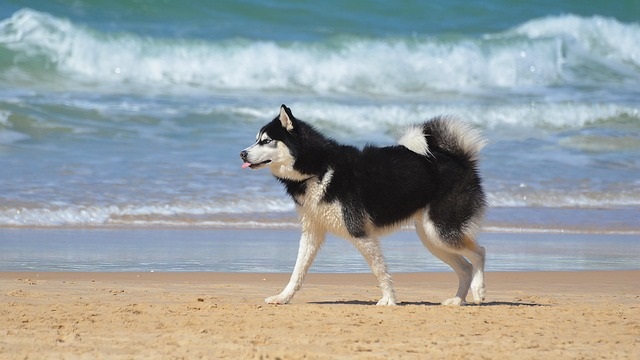
In addition to monitoring your dog's weight and body condition score, it's also essential to keep an eye on their overall health and well-being. This includes monitoring their appetite, energy level, and stool quality, as well as watching for any signs of illness or disease. By keeping a close eye on your dog's health, you can help them regain their optimal weight and maintain their overall health and well-being.
The Role of Nutrition in Maintaining a Healthy Weight
Nutrition plays a critical role in maintaining a healthy weight in dogs. A well-balanced diet that's rich in protein, fat, and complex carbohydrates can help your dog maintain their optimal weight and support their overall health and well-being. It's essential to choose a high-quality dog food that's formulated to meet your dog's specific needs, and to avoid overfeeding or underfeeding your dog.
In addition to providing a well-balanced diet, it's also essential to ensure that your dog is getting enough exercise and mental stimulation. Exercise can help your dog maintain their physical health, while mental stimulation can help reduce stress and anxiety. By providing a balanced diet, plenty of exercise, and mental stimulation, you can help your dog maintain their optimal weight and support their overall health and well-being.
In conclusion, weight loss in dogs can be caused by a variety of factors, including medical conditions, gastrointestinal problems, and a decrease in appetite. If you've noticed that your dog is losing weight, it's essential to consult with your veterinarian to rule out any underlying health issues and develop a treatment plan that addresses the underlying cause. By monitoring your dog's weight, providing a well-balanced diet, and ensuring that they're getting enough exercise and mental stimulation, you can help your dog regain their optimal weight and maintain their overall health and well-being.