As a dog owner, you might have noticed that your furry friend tends to drink excess water, especially after meals or during hot summer days. While it's normal for dogs to stay hydrated, excessive water consumption can be a cause for concern. In this article, we'll delve into the reasons why dogs drink excess water and what you can do to ensure your pet stays healthy and happy.
Why Do Dogs Drink Excess Water?
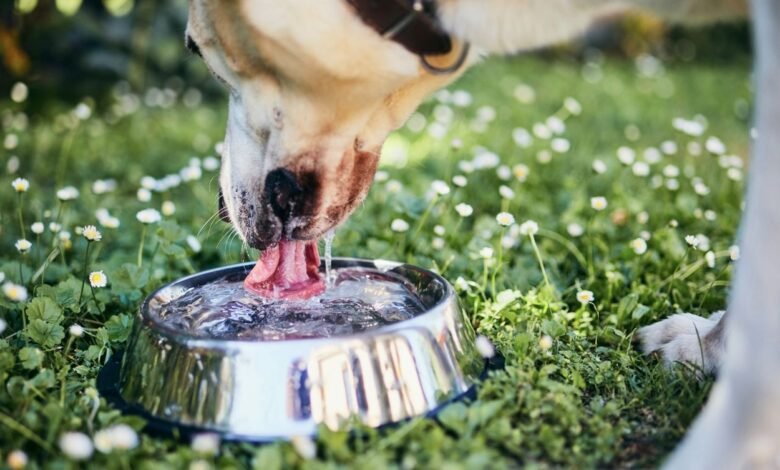
There are several reasons why dogs might drink more water than they need. One of the primary reasons is to regulate their body temperature. Dogs don't have sweat glands like humans do, so they rely on panting and drinking water to cool down. On hot days or during intense exercise, your dog might drink more water to replenish lost fluids and electrolytes. Additionally, some dogs might drink excess water due to boredom, anxiety, or habit. If your dog is not getting enough physical or mental stimulation, they might resort to drinking water as a way to pass the time.
Medical Conditions That Cause Excessive Water Consumption
In some cases, excessive water consumption in dogs can be a sign of an underlying medical condition. Kidney disease, diabetes, and Cushing's disease are just a few examples of health issues that can cause your dog to drink more water than usual. These conditions can affect your dog's ability to regulate fluids, leading to increased thirst and urination. If you suspect that your dog's excessive water consumption is related to a medical condition, it's essential to consult with your veterinarian to rule out any underlying health issues.
Another medical condition that can cause excessive water consumption in dogs is hyperthyroidism. This condition occurs when the thyroid gland produces too many hormones, leading to an increase in metabolism and energy levels. As a result, your dog might drink more water to compensate for the increased energy expenditure. Other medical conditions, such as liver disease and certain types of cancer, can also cause excessive water consumption in dogs.
How to Identify Excessive Water Consumption in Dogs
So, how can you tell if your dog is drinking excess water? One way to determine this is to monitor your dog's water intake and output. If your dog is drinking more water than usual, but not producing more urine, it could be a sign of excessive water consumption. You can also look for other signs, such as increased urination, accidents in the house, or wet spots on the floor. Additionally, if your dog is vomiting or showing signs of bloating, it could be a sign that they're drinking too much water.
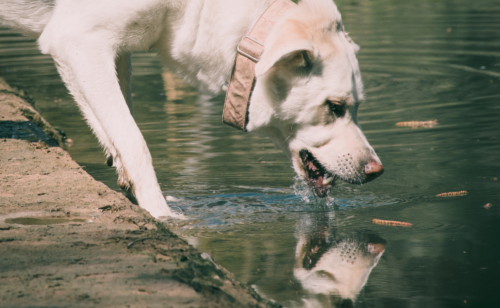
In addition to monitoring your dog's water intake and output, you can also look for other signs of excessive water consumption. For example, if your dog is drinking water rapidly or gulping it down, it could be a sign that they're not drinking normally. Similarly, if your dog is showing signs of restlessness or anxiety while drinking water, it could be a sign that they're not getting enough physical or mental stimulation.
What Are the Risks of Excessive Water Consumption in Dogs?
While drinking water is essential for your dog's health, excessive water consumption can be harmful. One of the primary risks is water intoxication, also known as hyponatremia. This occurs when your dog drinks too much water, causing their body to become waterlogged. As a result, their sodium levels can become diluted, leading to swelling of the brain and potentially life-threatening complications. Other risks associated with excessive water consumption in dogs include bloat, vomiting, and electrolyte imbalances.

In addition to these risks, excessive water consumption can also lead to other health problems in dogs. For example, if your dog is drinking too much water, they might experience stomach upset, diarrhea, or other gastrointestinal issues. Furthermore, excessive water consumption can also lead to kidney damage or disease over time, especially if your dog is not getting enough electrolytes or other essential nutrients.
How to Prevent Excessive Water Consumption in Dogs
So, what can you do to prevent excessive water consumption in dogs? One way to start is to monitor your dog's water intake and output, as mentioned earlier. You can also try to limit your dog's access to water, especially during hot summer days or after meals. Additionally, you can provide your dog with plenty of opportunities for physical and mental stimulation, such as exercise, playtime, and training sessions.
Another way to prevent excessive water consumption in dogs is to provide them with a balanced diet that meets their nutritional needs. A high-quality dog food that contains essential nutrients, such as protein, fat, and carbohydrates, can help regulate your dog's thirst and appetite. You can also try adding some healthy treats or snacks to your dog's diet, such as carrots, apples, or green beans, to provide them with essential fiber and nutrients.
Tips for Managing Excessive Water Consumption in Dogs
If your dog is already experiencing excessive water consumption, there are several tips you can follow to manage the issue. One way to start is to consult with your veterinarian to rule out any underlying medical conditions. Your veterinarian can help you develop a plan to manage your dog's water intake and output, as well as provide guidance on how to prevent excessive water consumption in the future.
In addition to consulting with your veterinarian, you can also try to limit your dog's access to water, especially during hot summer days or after meals. You can also provide your dog with plenty of opportunities for physical and mental stimulation, such as exercise, playtime, and training sessions. Furthermore, you can try to add some healthy treats or snacks to your dog's diet, such as carrots, apples, or green beans, to provide them with essential fiber and nutrients.
Another tip for managing excessive water consumption in dogs is to monitor their urine output and color. If your dog's urine is dark yellow or brown, it could be a sign that they're not drinking enough water. On the other hand, if their urine is clear or pale yellow, it could be a sign that they're drinking too much water. By monitoring your dog's urine output and color, you can get a better sense of their hydration levels and make adjustments as needed.
Conclusion
In conclusion, excessive water consumption in dogs can be a cause for concern, especially if it's related to an underlying medical condition. By monitoring your dog's water intake and output, providing them with plenty of opportunities for physical and mental stimulation, and consulting with your veterinarian, you can help prevent excessive water consumption and keep your dog healthy and happy. Remember, every dog is different, so it's essential to work with your veterinarian to develop a plan that meets your dog's unique needs and health status.