
As a dog owner, there's nothing quite like the feeling of coming home to a furry friend who's excited to see you. But have you ever stopped to think about why your dog loses fur? It's a natural process, but it can be frustrating and even worrying if you're not sure what's causing it. In this article, we'll take a closer look at why dogs lose fur, and what you can do to minimize shedding and keep your dog's coat healthy and strong.
Why Do Dogs Shed?
Dogs shed for a variety of reasons, including to get rid of old or damaged hair, to regulate their body temperature, and to prepare for new growth. Just like humans, dogs have a natural hair growth cycle, which includes three phases: anagen, catagen, and telogen. The anagen phase is the active growth phase, during which the hair grows. The catagen phase is a short transitional phase, and the telogen phase is the resting phase, during which the hair is released from the follicle and falls out.
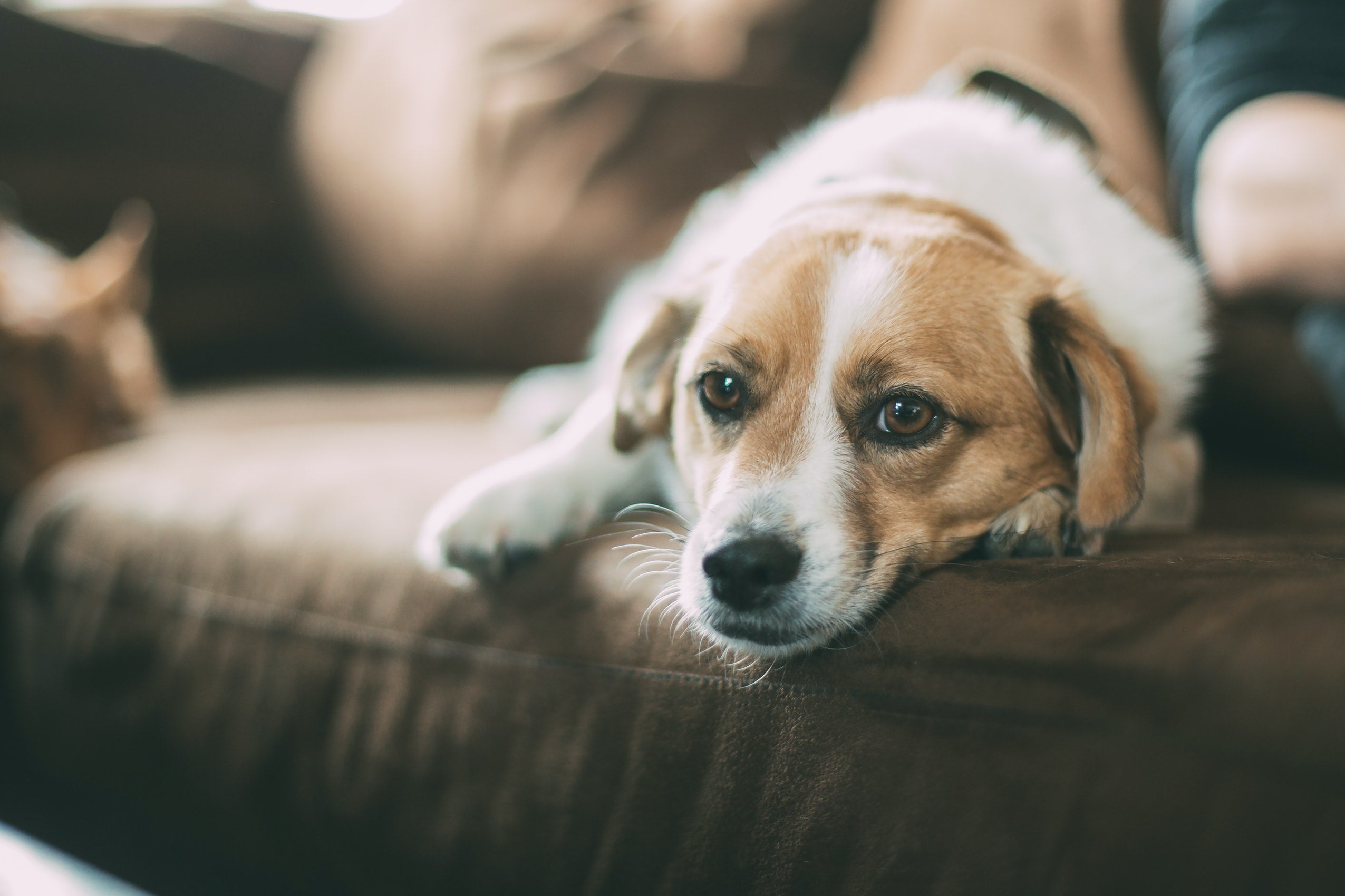
This process is completely normal, and it's necessary for your dog's coat to stay healthy. However, some dogs shed more than others, and this can be due to a variety of factors, including their breed, age, health, and environment. For example, dogs that live in cold climates may shed more heavily in the spring and fall, as they adapt to the changing temperatures. Dogs that are prone to skin allergies or irritation may also shed more, as their skin becomes inflamed and itchy.
Factors That Influence Shedding
There are several factors that can influence how much your dog sheds, including their diet, lifestyle, and genetics. Dogs that are fed a poor-quality diet may shed more, as their coat is not getting the nutrients it needs to stay healthy. Dogs that are stressed or anxious may also shed more, as stress can cause the hair follicles to release the hair more quickly.
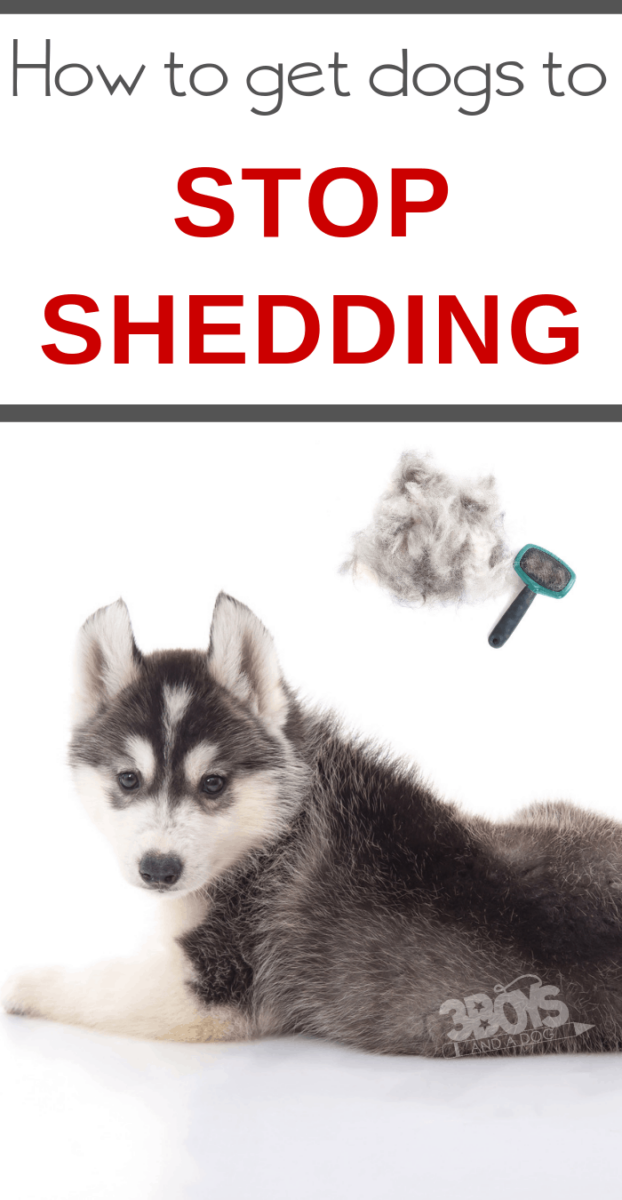
In addition, some breeds are more prone to shedding than others. For example, Siberian Huskies and Alaskan Malamutes are bred to thrive in cold climates, and they have thick double coats that shed heavily in the spring and fall. On the other hand, breeds like Poodles and Bichon Frise have single-layer coats that shed very little. If you're considering getting a dog, it's a good idea to research the breed's shedding tendencies to make sure you're prepared for the amount of fur they'll lose.
Health Issues That Can Cause Excessive Shedding
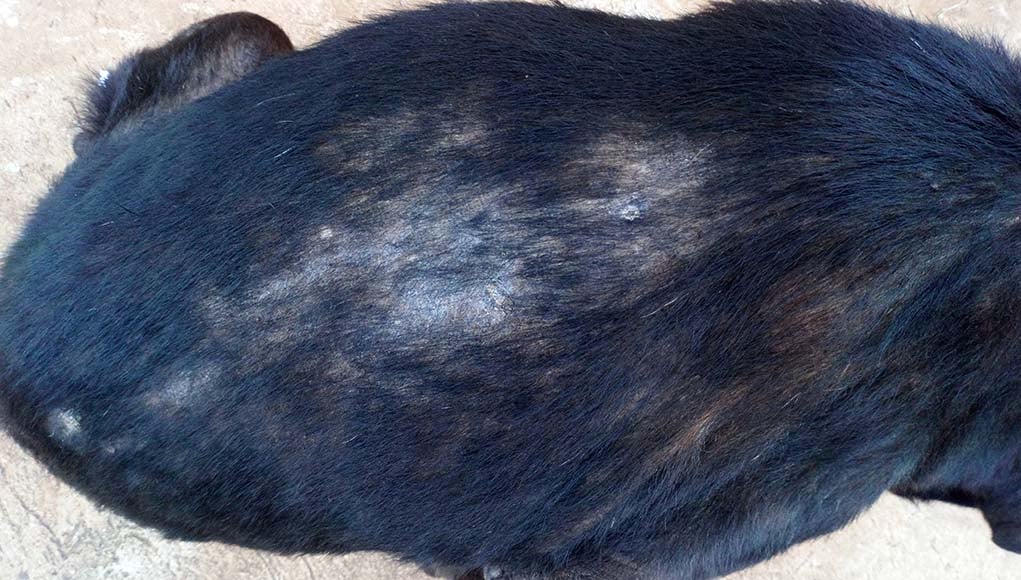
While shedding is a natural process, excessive shedding can be a sign of an underlying health issue. For example, skin allergies or irritation can cause your dog to shed more, as they scratch and chew at their skin. Fleas, ticks, and other parasites can also cause shedding, as they irritate the skin and cause the hair to fall out.

In addition, certain health conditions, such as hypothyroidism or Cushing's disease, can cause excessive shedding. These conditions can affect the hair growth cycle, causing the hair to fall out more quickly. If you notice that your dog is shedding excessively, it's a good idea to take them to the vet to rule out any underlying health issues. Your vet can perform a physical exam, take a complete medical history, and run diagnostic tests to determine the cause of the shedding.
Once the underlying cause is identified, your vet can recommend a treatment plan to help manage the shedding. This may include medication, changes to your dog's diet, or other therapies. In some cases, your vet may recommend a skin test or biopsy to determine the underlying cause of the shedding.

How to Minimize Shedding
While it's impossible to completely eliminate shedding, there are several things you can do to minimize it. One of the most effective ways to reduce shedding is to brush your dog regularly. Brushing helps to remove loose hair, distribute skin oils, and prevent matting and tangling. It's especially important to brush your dog during shedding season, as this can help to reduce the amount of fur they lose.
In addition to brushing, you can also try to reduce shedding by feeding your dog a high-quality diet. A diet that is rich in omega-3 fatty acids, vitamins, and minerals can help to keep your dog's coat healthy and strong. You can also try adding supplements to your dog's diet, such as fish oil or flaxseed oil, to help reduce shedding.
Another way to minimize shedding is to keep your dog's skin healthy. This can be done by bathing them regularly, using a gentle shampoo and conditioner, and avoiding harsh chemicals or dyes. You can also try using a humidifier in your home, especially during the dry winter months, to help keep your dog's skin hydrated and healthy.
Creating a Shedding-Friendly Environment
Finally, you can also try to create a shedding-friendly environment in your home. This can be done by using a HEPA air purifier, which can help to remove dog hair and dander from the air. You can also try using a vacuum cleaner with a HEPA filter, which can help to trap dog hair and prevent it from circulating in the air.
In addition, you can try to reduce shedding by using a deshedding tool, such as a Furminator or a shedding rake. These tools are designed to remove loose hair and prevent matting and tangling. You can also try using a damp cloth to wipe down your dog's coat, which can help to remove loose hair and reduce shedding.
By following these tips, you can help to minimize shedding and keep your dog's coat healthy and strong. Remember, shedding is a natural process, and it's not something to be worried about. However, if you notice that your dog is shedding excessively, it's always a good idea to consult with your vet to rule out any underlying health issues.
Conclusion
In conclusion, dogs lose fur for a variety of reasons, including to get rid of old or damaged hair, to regulate their body temperature, and to prepare for new growth. While shedding is a natural process, excessive shedding can be a sign of an underlying health issue. By understanding the factors that influence shedding, and by taking steps to minimize it, you can help to keep your dog's coat healthy and strong.
Remember, every dog is different, and what works for one dog may not work for another. If you're concerned about your dog's shedding, it's always a good idea to consult with your vet for personalized advice. With the right care and attention, you can help to minimize shedding and keep your dog's coat looking its best. Whether you're a seasoned dog owner or a newcomer to the world of dog ownership, understanding why dogs lose fur is an important part of providing the best possible care for your furry friend.