
As a dog owner, it's natural to want to share your favorite snacks with your furry friend. But when it comes to grapes, it's essential to exercise caution. You may have heard that grapes are toxic to dogs, but do you know why? In this article, we'll delve into the world of canine nutrition and explore the dangers of grapes for dogs. So, can dogs eat grapes? The short answer is no, but let's dive deeper into the reasons behind this warning.
What's the Big Deal About Grapes?
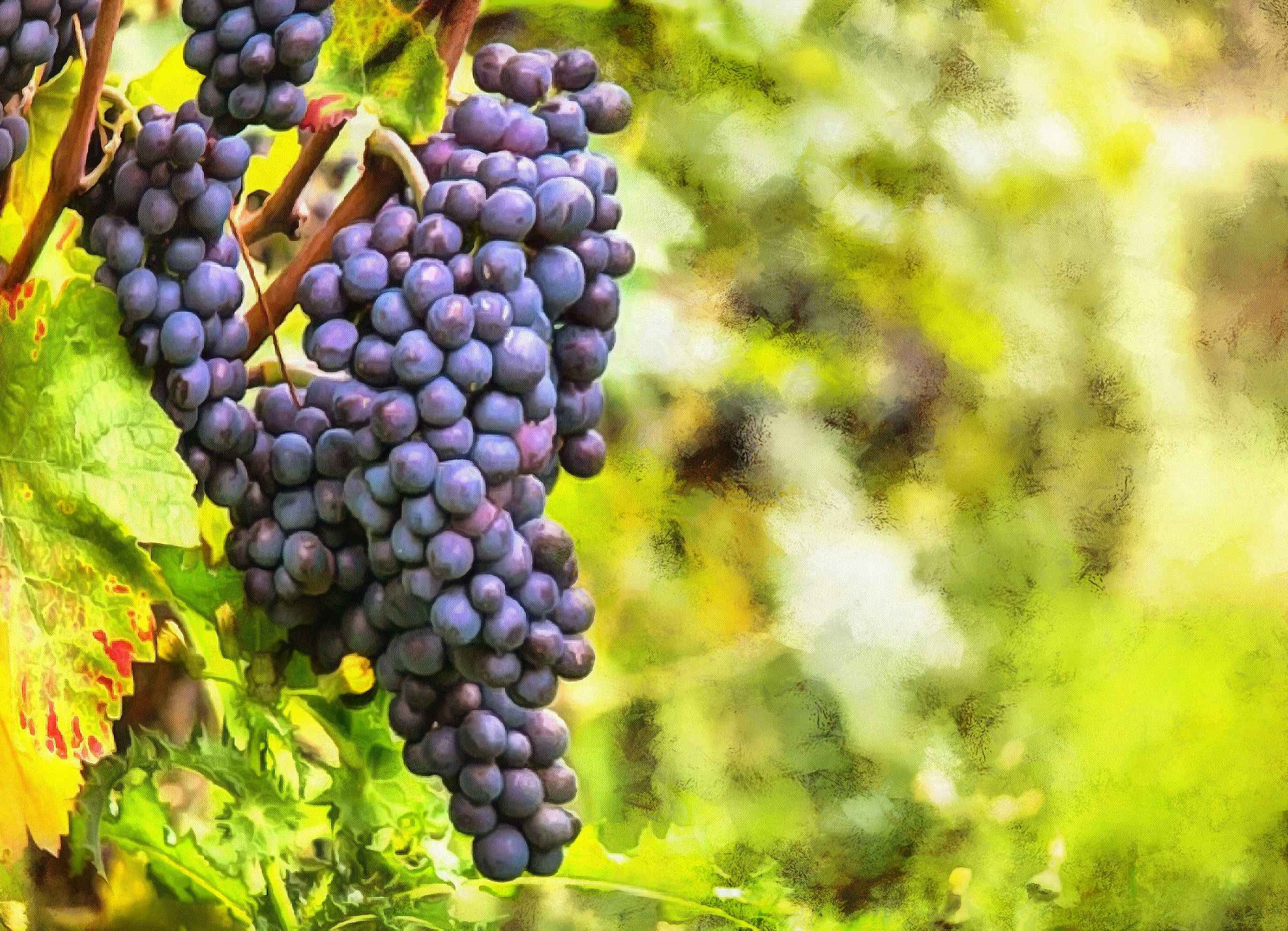
Grapes, including raisins, currants, and even grape juice, have been known to cause severe health issues in dogs. The exact reason for this toxicity is still unknown, but research suggests that a compound found in grapes can cause kidney failure in dogs. It's not just about the quantity; even small amounts of grapes can be toxic to dogs.

Symptoms of Grape Toxicity in Dogs
If your dog has ingested grapes, it's crucial to monitor their behavior and watch for symptoms of toxicity. These can include vomiting, diarrhea, lethargy, and lack of appetite. In severe cases, dogs may experience kidney failure, which can lead to seizures, coma, and even death. If you suspect your dog has eaten grapes, it's essential to seek veterinary attention immediately. The sooner your dog receives treatment, the better their chances of recovery.
It's also important to note that some dogs may not show any symptoms at all, which can make it difficult to diagnose grape toxicity. However, if you know your dog has ingested grapes, don't wait for symptoms to appear – seek veterinary help right away.

The Importance of Veterinary Care
Veterinary care is crucial in cases of grape toxicity. Your vet may induce vomiting to remove the grapes from your dog's system, and they may also administer activated charcoal to help absorb any remaining toxins. In severe cases, your dog may require hospitalization and supportive care, such as intravenous fluids and medication to manage symptoms.
In some cases, your vet may also recommend a urine test to check for kidney damage. This test can help determine the extent of the damage and guide treatment. It's essential to follow your vet's advice and treatment plan to ensure your dog receives the best possible care.

Why Are Grapes So Toxic to Dogs?
Despite extensive research, the exact reason for grape toxicity in dogs remains unknown. However, it's believed that a compound found in grapes, possibly a flavonoid or a tannin, can cause kidney damage in dogs. This compound can cause the kidneys to shut down, leading to acute kidney failure. It's not just grapes; other foods, such as onions, garlic, and chocolate, can also be toxic to dogs.
It's also worth noting that some breeds, such as the Maltese and the Shih Tzu, may be more susceptible to grape toxicity due to their small size. However, all dogs can be affected, regardless of breed or size.
Preventing Grape Toxicity in Dogs
Prevention is key when it comes to protecting your dog from grape toxicity. Here are some tips to help keep your dog safe:
Keep grapes and raisins out of reach: Store grapes and raisins in a secure location where your dog can't access them. Be mindful of countertops, tables, and other surfaces where grapes may be left unattended.
Be aware of hidden sources: Grapes can be found in a variety of products, including fruit salads, baked goods, and even some medications. Always read labels carefully and check with your vet before giving your dog any new foods or medications.
Supervise your dog: Keep a close eye on your dog, especially in areas where grapes may be present. If you're having a party or gathering, consider keeping your dog in a separate room to prevent accidental ingestion.
What to Do If Your Dog Eats Grapes
If you suspect your dog has eaten grapes, don't panic. Stay calm and follow these steps:
Contact your vet: Reach out to your vet or a pet poison hotline, such as the ASPCA's Animal Poison Control Center (APCC), for advice. They can guide you on the best course of action and provide treatment recommendations.
Induce vomiting: If your vet recommends it, induce vomiting to remove the grapes from your dog's system. However, never attempt to induce vomiting without consulting your vet first, as this can sometimes do more harm than good.
Seek veterinary attention: Even if your dog seems fine, it's essential to seek veterinary attention as soon as possible. Grape toxicity can be unpredictable, and your dog may require immediate treatment to prevent long-term damage.
In conclusion, while grapes may be a tasty and healthy snack for humans, they can be deadly for dogs. By understanding the risks and taking steps to prevent grape toxicity, you can help keep your furry friend safe and healthy. Remember, if you suspect your dog has eaten grapes, don't hesitate to seek veterinary attention – it's always better to err on the side of caution when it comes to your dog's health.