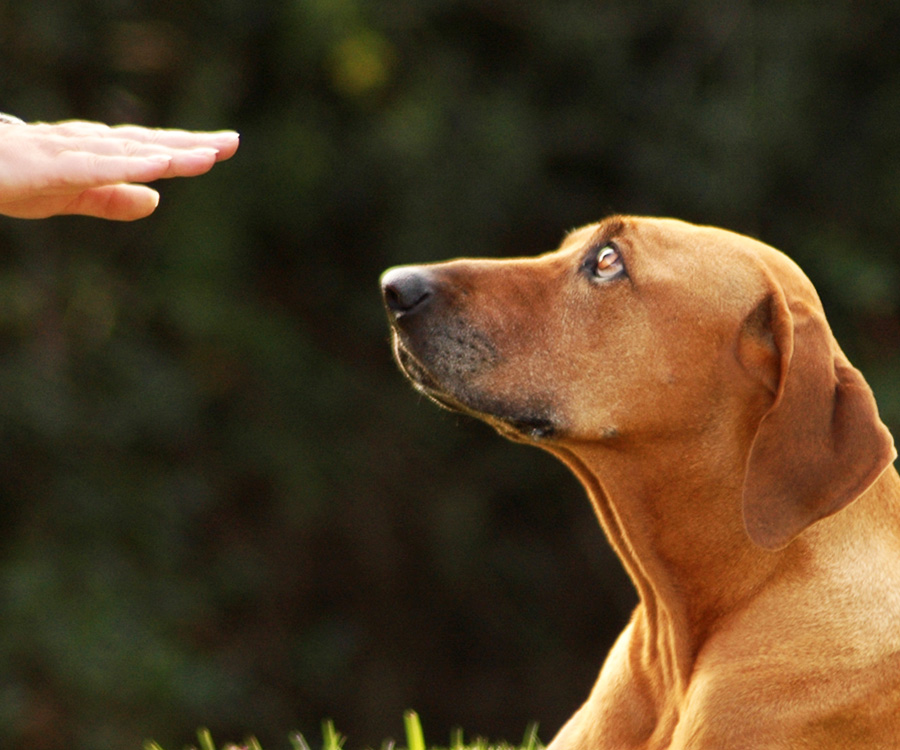
Training your dog to stay in place is one of the most essential commands you can teach them. Not only does it help with everyday situations like mealtime or walks, but it also lays the foundation for more advanced training and can even help with behavioral issues like separation anxiety. In this article, we'll break down the steps to train your dog to stay in place, and provide you with some valuable tips and tricks to make the process as smooth as possible.
Understanding the Basics
Before you start training your dog to stay in place, it's essential to understand the basics of dog training. Dogs thrive on routine and clear communication, so it's crucial to establish a consistent training schedule and use positive reinforcement techniques. Positive reinforcement means rewarding your dog for good behavior, rather than punishing them for bad behavior. This approach helps build trust and encourages your dog to learn quickly and efficiently.
 How To Train Dogs to Stay in Place Understanding the Basics" loading="lazy" style="max-width:700px;width:100%;height:auto;border-radius:8px;">
It's also important to choose the right location for training. You'll want to start in a quiet, distraction-free area with minimal interruptions. As your dog becomes more proficient, you can gradually introduce more distractions and noise to help them generalize the command. Make sure you have plenty of treats and toys on hand to reward your dog for their hard work.
Phase 1: Introduction to the Stay Command
The first phase of training is to introduce your dog to the stay command. Start by having your dog sit or lie down, then take a few steps back and say "stay" in a calm, clear voice. If your dog gets up, go back to the beginning and try again. If they remain in position, reward them with a treat and praise. It's essential to be consistent with the command, so try to use the same tone and volume each time you give it.
As your dog becomes more comfortable with the command, you can gradually increase the distance and time you're away from them. Start with small increments, such as taking a few more steps back or waiting for a few seconds longer. Remember to reward your dog for their good behavior, even if it's just for a few seconds.
 To Train Dogs to Stay in Place Common Challenges and Solutions" loading="lazy" style="max-width:700px;width:100%;height:auto;border-radius:8px;">
Phase 2: Adding Distractions
Once your dog has mastered the basic stay command, it's time to add some distractions. This could be anything from other people or dogs to loud noises or tempting treats. Start by introducing small distractions, such as having someone walk by or dropping a treat on the ground. If your dog remains in position, reward them with praise and a treat.
As your dog becomes more confident, you can increase the level of distractions. Try having multiple people walk by, or using a favorite toy to tempt them. Remember to stay calm and patient, and don't push your dog too hard. If they break the stay, simply go back to the beginning and try again.

Common Challenges and Solutions
Training your dog to stay in place can be challenging, especially if they're prone to distractions or have a strong prey drive. One common issue is dogs breaking the stay to follow a squirrel or other small animal. To overcome this, try using a long-line leash or a secure fence to prevent your dog from chasing after distractions.
Another common challenge is dogs getting up to greet people or other dogs. To address this, try training your dog to stay in place while you greet someone, then reward them for remaining calm. You can also try having a friend or family member help with training, so your dog can learn to generalize the command.
Tips and Tricks
Here are a few tips and tricks to help you train your dog to stay in place:
First, be consistent with the command. Use the same tone and volume each time you give the command, and try to use it in different contexts. For example, you can use the stay command at home, in the park, or on a walk.
Second, use positive reinforcement. Reward your dog with treats, praise, and affection when they remain in position. This will help build trust and encourage your dog to learn quickly.
Third, be patient. Training your dog to stay in place takes time and effort, so don't get discouraged if they don't pick it up right away. Remember to stay calm and patient, and try to break the training into smaller, manageable steps.
Advanced Training
Once your dog has mastered the basic stay command, you can start to add more advanced training. This could include training your dog to stay in place for longer periods, or in more distracting environments. You can also try adding other commands, such as "down" or "come," to create a more complex training routine.
One advanced training technique is to use a "stay close" command, where your dog remains in position while you're nearby. This can be useful in situations like hiking or walking in crowded areas, where you need to keep your dog close but still allow them some freedom.
Another advanced technique is to use a "stay far" command, where your dog remains in position while you're at a distance. This can be useful in situations like agility training or search and rescue, where you need to be able to communicate with your dog from a distance.
In conclusion, training your dog to stay in place is a valuable skill that can help with everyday situations and lay the foundation for more advanced training. By following the steps outlined in this article, and using positive reinforcement techniques, you can help your dog learn to stay in place and become a more confident, well-behaved companion. Remember to be patient, consistent, and positive, and you'll be well on your way to raising a well-trained and well-behaved dog.
