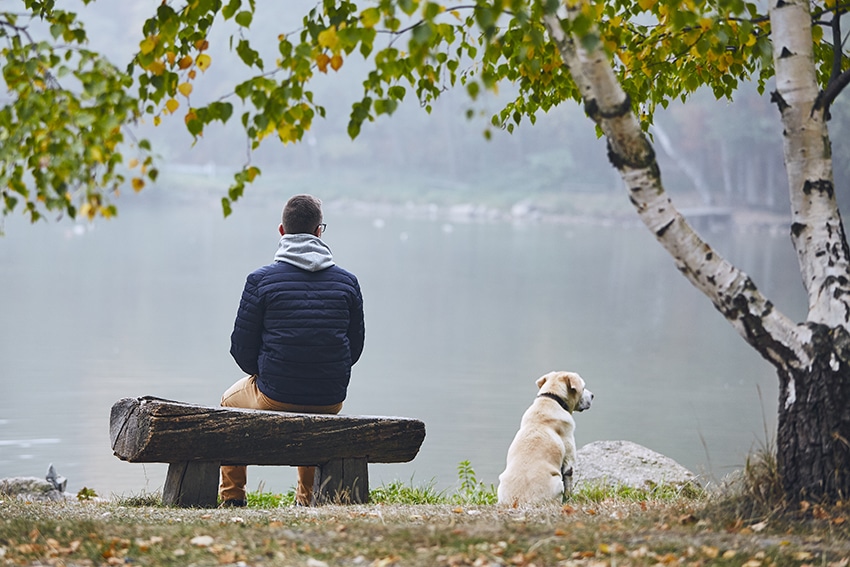
As a dog owner, you might have noticed that your furry friend always seems to be by your side. Whether you're watching TV, cooking dinner, or even going to the bathroom, your dog is always there, lurking in the background, waiting for attention or just happy to be near you. But have you ever wondered why your dog is so clingy? Why do they always want to stay near you, and is it normal behavior? In this article, we'll delve into the reasons behind your dog's attachment to you and explore what it means for your relationship with your pet.
Understanding Canine Behavior
To understand why your dog always stays near you, it's essential to understand canine behavior and pack dynamics. In the wild, dogs are social animals that live in packs, with a hierarchical structure and a strong sense of loyalty and bonding. When you bring a dog into your home, they become part of your pack, and you become their leader. Your dog looks up to you for protection, food, and affection, which creates a strong bond between you and your pet. This bond is rooted in their instinct to follow their pack leader and stay close to ensure their safety and well-being.
 Why Does My Dog Always Stay Near Me Understanding Canine Behavior" loading="lazy" style="max-width:700px;width:100%;height:auto;border-radius:8px;">
This natural instinct is evident in the way your dog follows you around the house, always keeping a watchful eye on you. They might even become anxious or stressed when you leave them alone, which is a common phenomenon known as separation anxiety. But it's not just about instinct; your dog's attachment to you is also driven by affection and love. Dogs are capable of forming strong emotional bonds with their owners, which is why they often become our closest companions and friends.
The Role of Affection and Attention
Affection and attention play a significant role in your dog's attachment to you. Dogs thrive on attention and affection, and they'll often do just about anything to get it. When you pet them, give them treats, or play with them, you're reinforcing their behavior and encouraging them to stay close. This positive reinforcement creates a cycle of affection and attention, where your dog learns to associate being near you with feeling good and receiving rewards. As a result, they'll often follow you around the house, nudge you for attention, or even snuggle up next to you on the couch.
:max_bytes(150000):strip_icc()/why-does-my-dog-sit-in-my-spot-when-i-get-up-5086180-07-a836c4dd246143eba67d4d5d825f7986.jpg) Does My Dog Always Stay Near Me Is It Normal Behavior" loading="lazy" style="max-width:700px;width:100%;height:auto;border-radius:8px;">
But it's not just about the attention itself; it's also about the quality of the attention. When you engage with your dog, you're not just giving them attention; you're also showing them love, care, and concern. This emotional connection is what drives your dog's attachment to you, making them feel safe, secure, and loved. And it's not just a one-way street; when you show your dog affection and attention, they'll often reciprocate with their own displays of love and loyalty, such as licking your face, wagging their tail, or bringing you gifts.
Personality Traits and Breed Characteristics
Your dog's personality traits and breed characteristics can also influence their attachment to you. Some breeds, such as Labrador Retrievers and Golden Retrievers, are naturally more social and affectionate, which makes them more likely to follow you around the house. Other breeds, such as Bulldogs and Pugs, might be more laid-back and independent, but they'll still have their own ways of showing affection and attachment. Additionally, your dog's individual personality traits, such as their level of anxiety or confidence, can also impact their behavior and attachment style.
 Why Does My Dog Always Stay Near Me" loading="lazy" style="max-width:700px;width:100%;height:auto;border-radius:8px;">
For example, a dog with high anxiety might become clingy and attached to you as a way of coping with their stress and uncertainty. On the other hand, a confident dog might be more independent and aloof, but still enjoy spending time with you and receiving attention. Understanding your dog's personality traits and breed characteristics can help you better understand their behavior and attachment style, which is essential for building a strong and healthy relationship with your pet.
Another important factor to consider is your dog's life experiences and history. If your dog has experienced trauma or neglect in the past, they might become more attached to you as a way of seeking comfort and security. Similarly, if your dog has been separated from you for an extended period, they might become more clingy and anxious when you're together again. By understanding your dog's life experiences and history, you can better understand their behavior and attachment style, and provide them with the love, care, and support they need to thrive.
Is It Normal Behavior?
So, is it normal for your dog to always stay near you? The answer is yes and no. While it's natural for dogs to form strong bonds with their owners and follow them around the house, excessive clinginess can be a sign of underlying issues. If your dog is always stuck to your side, to the point where they're unable to relax or engage in independent activities, it might be a sign of separation anxiety or other behavioral problems. On the other hand, if your dog is simply enjoying your company and showing affection, it's likely a normal and healthy behavior.

To determine whether your dog's behavior is normal or not, it's essential to observe their behavior and body language. If your dog appears relaxed and calm when you're together, but also able to engage in independent activities and relax on their own, it's likely a sign of a healthy attachment. However, if your dog appears anxious, stressed, or clingy, it might be a sign of underlying issues that need to be addressed. By understanding your dog's behavior and body language, you can better understand their needs and provide them with the love, care, and support they need to thrive.
In conclusion, your dog's attachment to you is driven by a combination of instinct, affection, and attention. While it's normal for dogs to form strong bonds with their owners, excessive clinginess can be a sign of underlying issues. By understanding your dog's behavior, personality traits, and breed characteristics, you can better understand their attachment style and provide them with the love, care, and support they need to thrive. Whether you're a seasoned dog owner or a newcomer to the world of canine companionship, it's essential to appreciate the unique bond between you and your dog, and to nurture it with love, attention, and affection.