
As a Siberian Husky owner, one of the most important decisions you'll make for your furry friend is what to feed them. With their high energy levels and unique nutritional needs, it's crucial to provide a balanced diet that meets their requirements at every stage of life. In this article, we'll take a closer look at the Siberian Husky feeding guide by age, covering the essential nutrients, feeding schedules, and portion sizes to ensure your Husky stays healthy and happy.
Introduction to Siberian Husky Nutrition
Siberian Huskies are a breed of dog that originated in Siberia, where they were bred to withstand the harsh, cold climate and pull sleds for long distances. As a result, they have a unique set of nutritional needs that set them apart from other breeds. Huskies require a diet rich in protein, fat, and complex carbohydrates to maintain their energy levels and support their overall health. They also have a short, dense coat that requires a balanced intake of vitamins and minerals to stay healthy and shiny.
 Feeding Guide by Age Introduction to Siberian Husky Nutrition" loading="lazy" style="max-width:700px;width:100%;height:auto;border-radius:8px;">
Puppyhood (0-12 months)
The first year of a Siberian Husky's life is a critical period of growth and development. During this time, they require a nutrient-rich diet that supports their rapid growth and energy needs. Puppies should be fed a high-quality, nutrient-dense puppy food that contains at least 25% protein and 15% fat. The ideal feeding schedule for Husky puppies is 3-4 times a day, with portion sizes adjusted according to their age and weight. For example, a 2-month-old puppy may require 1-2 cups of food per day, while a 6-month-old puppy may need 2-3 cups per day.
It's also important to note that Husky puppies have a tendency to grow too quickly, which can lead to joint problems and other health issues. To prevent this, it's essential to monitor their growth rate and adjust their food intake accordingly. Your veterinarian can help you determine the ideal growth rate for your puppy and provide guidance on feeding schedules and portion sizes.
Feeding Tips for Husky Puppies
Here are a few feeding tips to keep in mind for your Husky puppy:
Feed a high-quality, nutrient-dense puppy food that meets their nutritional needs.
Divide their daily ration into 3-4 meals to prevent overeating and support healthy growth.
Monitor their growth rate and adjust their food intake accordingly to prevent excessive growth.
Avoid over-supplementing with vitamins and minerals, as this can lead to an imbalance in their diet.
Adolescence (1-2 years)
As your Husky puppy enters adolescence, their nutritional needs begin to shift. They require a diet that supports their continued growth and development, as well as their increasing energy needs. At this stage, they should be fed a high-quality, adult dog food that contains at least 20% protein and 10% fat. The ideal feeding schedule for adolescent Huskies is 2-3 times a day, with portion sizes adjusted according to their age, weight, and activity level.
It's also important to note that adolescent Huskies are prone to obesity, particularly if they're not getting enough exercise. To prevent this, it's essential to monitor their food intake and ensure they're getting enough physical activity to burn off excess calories. A good rule of thumb is to provide at least 30 minutes of exercise per day, which can include walks, runs, and playtime in the yard.
Adulthood (2-7 years)
Once your Husky reaches adulthood, their nutritional needs stabilize, and they require a diet that supports their maintenance and overall health. At this stage, they should be fed a high-quality, adult dog food that contains at least 20% protein and 10% fat. The ideal feeding schedule for adult Huskies is 2 times a day, with portion sizes adjusted according to their age, weight, and activity level.

It's also important to note that adult Huskies are prone to certain health issues, such as hip dysplasia and eye problems. To prevent these issues, it's essential to provide a balanced diet that includes essential nutrients like glucosamine and omega-3 fatty acids. Your veterinarian can help you determine the best diet for your adult Husky and provide guidance on feeding schedules and portion sizes.
Feeding Tips for Adult Huskies
Here are a few feeding tips to keep in mind for your adult Husky:
Feed a high-quality, adult dog food that meets their nutritional needs.
Divide their daily ration into 2 meals to support their maintenance and overall health.
Monitor their food intake and adjust their portion sizes according to their age, weight, and activity level.
Consider adding supplements like glucosamine and omega-3 fatty acids to support their joint health and overall well-being.

Seniorhood (8 years and older)
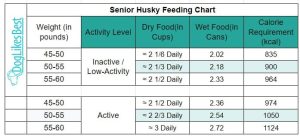
As your Husky enters seniorhood, their nutritional needs begin to shift once again. They require a diet that supports their declining energy needs and overall health, as well as their increasing risk of age-related health issues. At this stage, they should be fed a high-quality, senior dog food that contains at least 15% protein and 8% fat. The ideal feeding schedule for senior Huskies is 1-2 times a day, with portion sizes adjusted according to their age, weight, and activity level.
It's also important to note that senior Huskies are prone to certain health issues, such as arthritis and cognitive decline. To prevent these issues, it's essential to provide a balanced diet that includes essential nutrients like joint supplements and antioxidants. Your veterinarian can help you determine the best diet for your senior Husky and provide guidance on feeding schedules and portion sizes.
In conclusion, feeding your Siberian Husky requires careful consideration of their nutritional needs at every stage of life. By providing a balanced diet that meets their unique requirements, you can help ensure they stay healthy and happy for years to come. Remember to always consult with your veterinarian for personalized feeding advice, and don't hesitate to reach out if you have any questions or concerns about your Husky's diet.