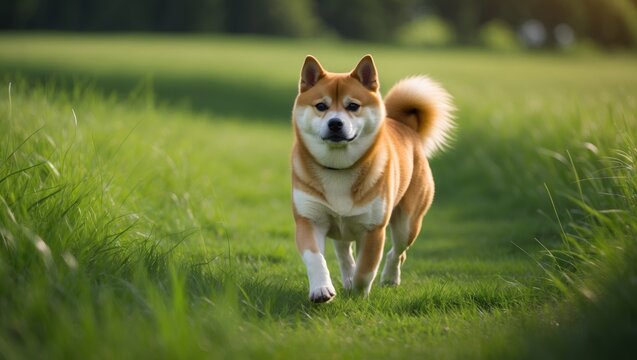
Feeding time - it's a moment of excitement and anticipation for many dogs, but for some, it can be a source of stress and anxiety. If you're a dog owner, you've probably experienced the chaos that can ensue when it's time to feed your furry friend. From barking and whining to jumping up and down, it's not uncommon for dogs to get overexcited during meals. But what if I told you that there's a way to train your dog to stay calm during feeding time? In this article, we'll explore the reasons behind your dog's feeding time frenzy and provide you with some practical tips on how to teach your dog to relax and enjoy their meals.
Understanding Why Dogs Get Excited During Feeding Time
Before we dive into the training tips, it's essential to understand why dogs get so excited during feeding time. For many dogs, mealtime is a highlight of the day, and they associate the sound of the can opener, the rustling of the food bag, or the clinking of the bowl with the imminent arrival of food. This anticipation can trigger a range of emotions, from excitement and eagerness to anxiety and stress. Some dogs may have had negative experiences during mealtime, such as being rushed or having their food taken away, which can contribute to their excitement and stress levels.
 How To Train Dogs to Stay Calm During Feeding Time Understanding Why Dogs Get Excited During Feeding Time" loading="lazy" style="max-width:700px;width:100%;height:auto;border-radius:8px;">
The Consequences of Feeding Time Frenzy
While it's natural for dogs to get excited during meals, excessive excitement can have negative consequences. For one, it can lead to gobbling down food, which can cause digestive problems and even choking hazards. Additionally, an overexcited dog may become protective of their food, leading to resource guarding behaviors. Furthermore, a dog that's consistently excited during meals may develop anxiety and stress-related issues, such as pacing, panting, or even aggression. By teaching your dog to stay calm during feeding time, you can help prevent these problems and create a more relaxed and enjoyable mealtime experience for both you and your dog.
Preparation is Key
Before you start training your dog to stay calm during feeding time, it's essential to prepare the environment and your dog for the process. Start by choosing a quiet and distraction-free area for meals, away from high-traffic zones and other pets. Make sure your dog is comfortable and relaxed in this area, and consider using a familiar mat or bed to help them associate the space with calmness. You'll also want to have some treats and toys on hand to use as rewards and distractions during the training process.
 How To Train Dogs to Stay Calm During Feeding Time Training Tips for a Calm Feeding Time" loading="lazy" style="max-width:700px;width:100%;height:auto;border-radius:8px;">
It's also crucial to establish a consistent feeding schedule and routine, so your dog knows exactly when and where their meals will be served. This can help reduce anxiety and anticipation, making it easier for your dog to relax during meals. Consider using a specific bowl, placemat, or even a special feeding station to help your dog associate these visual cues with mealtime. By creating a predictable and calm environment, you can set your dog up for success and make the training process much smoother.
Training Tips for a Calm Feeding Time
Now that we've covered the preparation and environment, let's dive into the training tips. The goal is to teach your dog to associate mealtime with calmness and relaxation, rather than excitement and anxiety. Here are some steps you can follow:
Start by having your dog sit or lie down calmly before serving their meal. You can use a verbal cue, such as "settle" or "relax," to help them associate the command with the desired behavior. Once they're in the correct position, you can begin to prepare their meal, but don't serve it just yet. Instead, use this time to reward your dog with treats and praise for remaining calm.

Gradually increase the duration of the calm behavior before serving the meal. You can do this by adding a few seconds, then minutes, to the time your dog needs to remain calm before receiving their food. Be sure to reward your dog with treats and praise during this time, as this will help reinforce the calm behavior. As your dog becomes more comfortable with the process, you can start to introduce the food bowl, but only when they're in a calm state.
Desensitization and Counterconditioning
Desensitization and counterconditioning are two powerful techniques you can use to help your dog stay calm during feeding time. Desensitization involves gradually exposing your dog to the stimuli that trigger excitement, such as the sound of the can opener or the sight of the food bag, while counterconditioning involves associating these stimuli with positive outcomes, such as treats and praise. By combining these techniques, you can help your dog learn to associate mealtime with calmness and relaxation, rather than excitement and anxiety.
For example, you can start by simply showing your dog the food bag or can opener, then rewarding them with treats and praise for remaining calm. Gradually increase the intensity of the stimuli, such as opening the can or pouring the food, while continuing to reward your dog for calm behavior. Over time, your dog will learn to associate these stimuli with positive outcomes, reducing their excitement and anxiety during meals.

Maintenance and Consistency
Once you've taught your dog to stay calm during feeding time, it's essential to maintain the training and consistency. This means sticking to the same routine, schedule, and environment, even on weekends or during holidays. Consistency is key when it comes to dog training, as it helps reinforce the behaviors you want to see and prevents confusion and anxiety.
It's also important to remember that every dog is different, and what works for one dog may not work for another. Be patient and flexible, and don't be afraid to adjust your training approach if you're not seeing the desired results. With time, effort, and consistency, you can help your dog learn to stay calm during feeding time, creating a more relaxed and enjoyable mealtime experience for both you and your dog.
In conclusion, training your dog to stay calm during feeding time requires patience, consistency, and positive reinforcement. By understanding the reasons behind your dog's excitement, preparing the environment, and using techniques such as desensitization and counterconditioning, you can help your dog learn to associate mealtime with calmness and relaxation. Remember to maintain the training and consistency, and don't hesitate to seek professional help if you're struggling with your dog's feeding time behavior. With the right approach and attitude, you can help your dog enjoy their meals in peace, and strengthen the bond between you and your furry friend.