
As a dog owner, you want to ensure your furry friend's overall health and well-being. One crucial aspect of their health is their oral hygiene. Just like humans, dogs need regular dental care to prevent problems like tartar buildup, gum disease, and bad breath. Using the right dog toothpaste is essential to keep your dog's teeth and gums healthy. But with so many options available in the market, choosing the right one can be overwhelming. In this article, we will guide you on how to choose the best dog toothpaste for your furry friend.
Understanding the Importance of Dog Toothpaste
Dog toothpaste is specifically designed for dogs and is different from human toothpaste. Human toothpaste contains ingredients like fluoride, which can be toxic to dogs if ingested in large amounts. Dog toothpaste, on the other hand, is formulated to be safe for dogs to swallow. It helps remove plaque, tartar, and bacteria from your dog's teeth, reducing the risk of oral health problems. Regular brushing with dog toothpaste can also help freshen your dog's breath and prevent gum disease.
Before we dive into the factors to consider when choosing dog toothpaste, let's take a look at what a healthy dog's teeth should look like:

Factors to Consider When Choosing Dog Toothpaste
With so many dog toothpastes available, it's essential to consider several factors to choose the best one for your dog. Here are some key factors to consider: the age and size of your dog, their individual needs, and the ingredients used in the toothpaste. For example, if your dog has sensitive teeth or gums, you may want to look for a toothpaste specifically designed for sensitive mouths. If your dog has a history of dental problems, you may want to look for a toothpaste that contains ingredients like chlorhexidine, which has antibacterial properties.
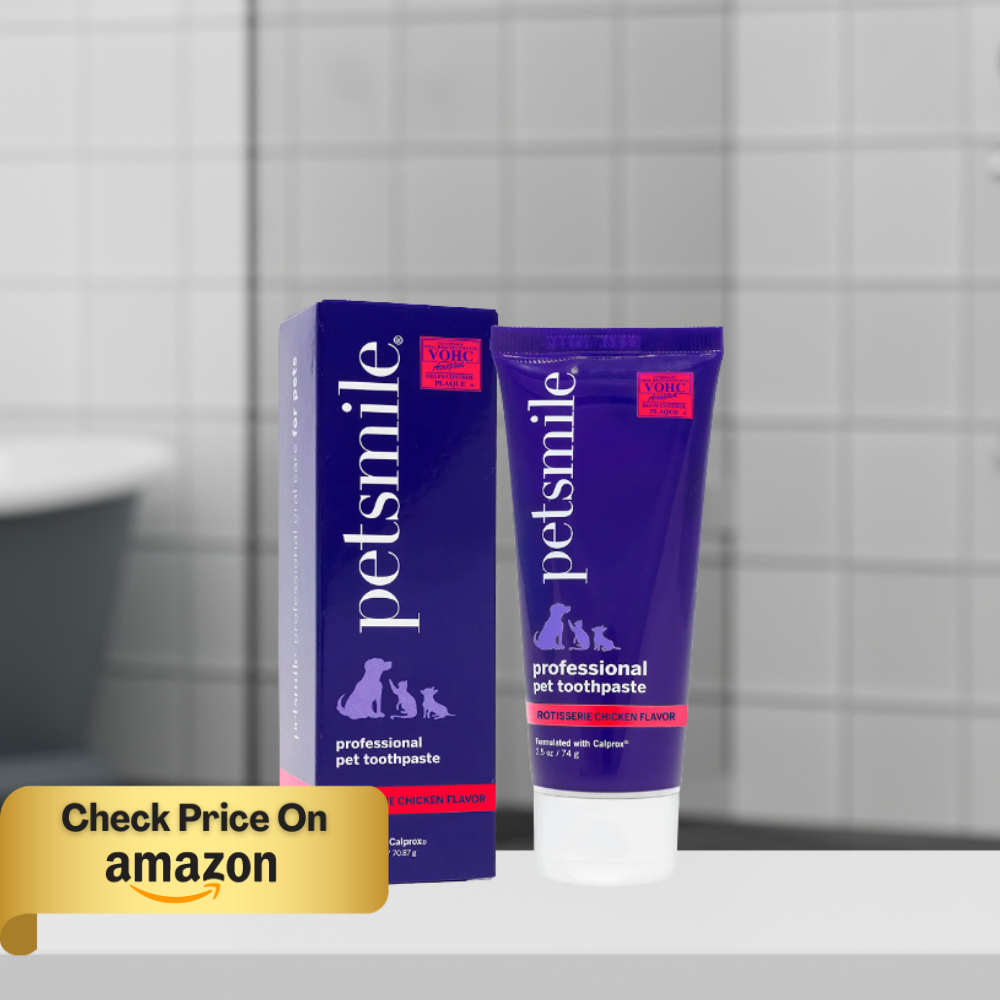
Another critical factor to consider is the flavor of the toothpaste. Dogs have a unique sense of taste, and some may not like the taste of certain toothpastes. Look for a toothpaste with a flavor your dog enjoys, such as chicken or peanut butter. This will make brushing their teeth a more enjoyable experience for both you and your dog. You can also try different flavors to see which one your dog prefers:
Ingredients to Look for in Dog Toothpaste
When choosing dog toothpaste, it's essential to look for ingredients that are safe and effective. Here are some ingredients you may want to look for: abrasives like silica or calcium carbonate, which help remove plaque and tartar; enzymes like amylase or lipase, which break down proteins and help reduce bad breath; and antimicrobial agents like chlorhexidine, which help reduce bacteria and prevent gum disease. You should also look for toothpastes that carry the Veterinary Oral Health Council (VOHC) seal of approval, which indicates that the toothpaste has met certain standards for safety and effectiveness.
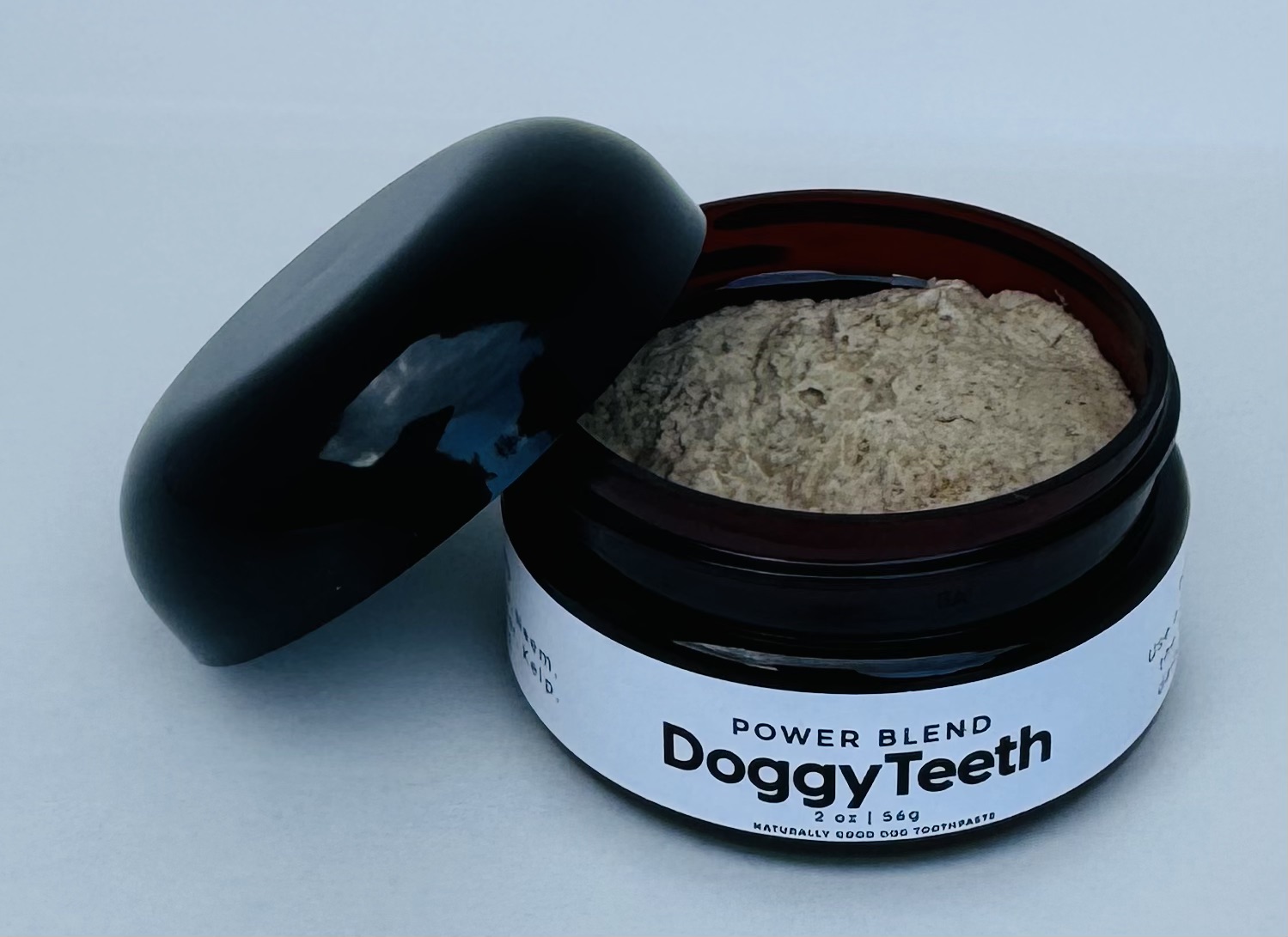
On the other hand, there are also ingredients you should avoid in dog toothpaste. These include: fluoride, which can be toxic to dogs if ingested in large amounts; artificial sweeteners like xylitol, which can be toxic to dogs; and harsh chemicals like bleach or ammonia, which can be irritating to your dog's teeth and gums. Always read the ingredient label carefully and look for toothpastes that use natural ingredients:
Types of Dog Toothpaste
There are several types of dog toothpaste available, each with its own unique characteristics. Here are some of the most common types: toothpastes specifically designed for puppies, which are gentle and non-irritating; toothpastes for adult dogs, which are formulated to meet the dental needs of adult dogs; and toothpastes for senior dogs, which are designed to address the unique dental needs of older dogs. There are also toothpastes for dogs with specific dental needs, such as toothpastes for dogs with sensitive teeth or gums.
Another type of dog toothpaste is the water-based toothpaste, which is a great option for dogs who don't like the feeling of traditional toothpaste. These toothpastes are easy to apply and can be used with a toothbrush or even a cloth:

How to Introduce Dog Toothpaste to Your Dog
Introducing dog toothpaste to your dog can be a challenging task, especially if they're not used to having their teeth brushed. Here are some tips to help you introduce dog toothpaste to your dog: start by letting your dog get used to the taste and smell of the toothpaste; then, gradually introduce the toothbrush, starting with small areas of their mouth; and finally, work your way up to brushing their entire mouth. Be patient and gentle, and reward your dog with treats and praise for their good behavior.
Remember, brushing your dog's teeth should be a positive experience for both you and your dog. With patience, consistency, and the right toothpaste, you can help keep your dog's teeth and gums healthy for years to come. Always consult with your veterinarian for advice on the best toothpaste and brushing technique for your dog:

Conclusion
In conclusion, choosing the right dog toothpaste is crucial for maintaining your dog's oral health. By considering factors like your dog's age, size, and individual needs, and looking for ingredients that are safe and effective, you can choose a toothpaste that meets your dog's unique needs. Remember to introduce the toothpaste gradually and make brushing a positive experience for your dog. With the right toothpaste and regular brushing, you can help keep your dog's teeth and gums healthy, reducing the risk of oral health problems and freshening their breath.
By following these tips and guidelines, you can help your dog live a happy, healthy life with a beautiful smile. And don't forget to consult with your veterinarian for advice on the best toothpaste and brushing technique for your dog. Happy brushing: [IMAGE]